Planning three dinners is a manageable alternative to designing an entire week. Pick meals that fit your schedule and equipment, then look for ingredients they can share. A can of beans, a bag of carrots or a bunch of greens can appear in different meals without requiring identical flavors.
Start by checking what is already open. Half a jar of tomato sauce or a few vegetables may determine the first dinner. Use foods according to their storage instructions and condition; the plan should not depend on stretching an unsafe leftover beyond its usable period.
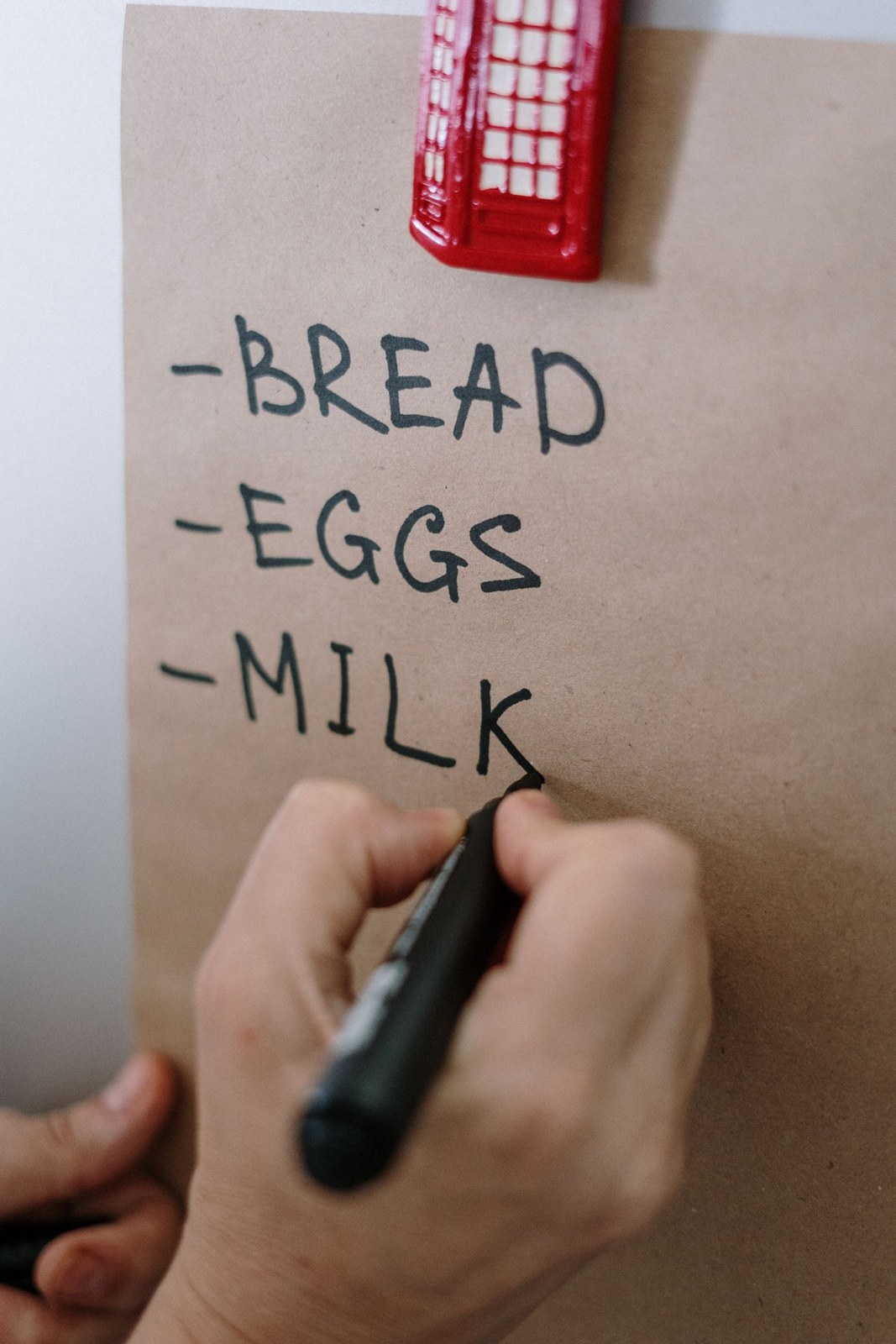
Turn meals into one list
Write the ingredients for each dinner, then combine repeated items. Check quantities before buying a larger package. If two meals need small amounts of the same ingredient, one ordinary pack may be enough. Pantry items such as oil and spices should be checked rather than purchased automatically each time.
Include a simple backup meal for a day when plans change, using ingredients you can store appropriately. That might be a shelf-stable combination or a suitable frozen portion. It should not require an additional collection of fresh ingredients that also need using quickly.
Consider cooking order. Use the more perishable ingredients earlier and leave meals based on longer-keeping items for later, following actual storage guidance. If you plan to cook extra for lunch, account for safe cooling, refrigerator space and the three-to-four-day refrigerated leftover window.
Group the final list by shopping area if that makes the trip easier. Keep the list specific enough to prevent duplicate purchases, but allow substitutions within the meal. A suitable alternative vegetable can be more useful than visiting several shops for one exact ingredient.
Check the whole day
Dinner ingredients are not the entire grocery budget. Add what you need for breakfast, lunch and ordinary snacks before deciding the total is affordable. Also include essential household items separately so they do not unexpectedly consume the food allowance at checkout.
After the three dinners, notice which ingredients remained. Use that information for the next plan instead of repeatedly buying the same oversized package.
The list should give you a clear route through the store and enough flexibility to cook around real life. Three dinners that get made are more useful than seven carefully planned meals that do not fit your week.