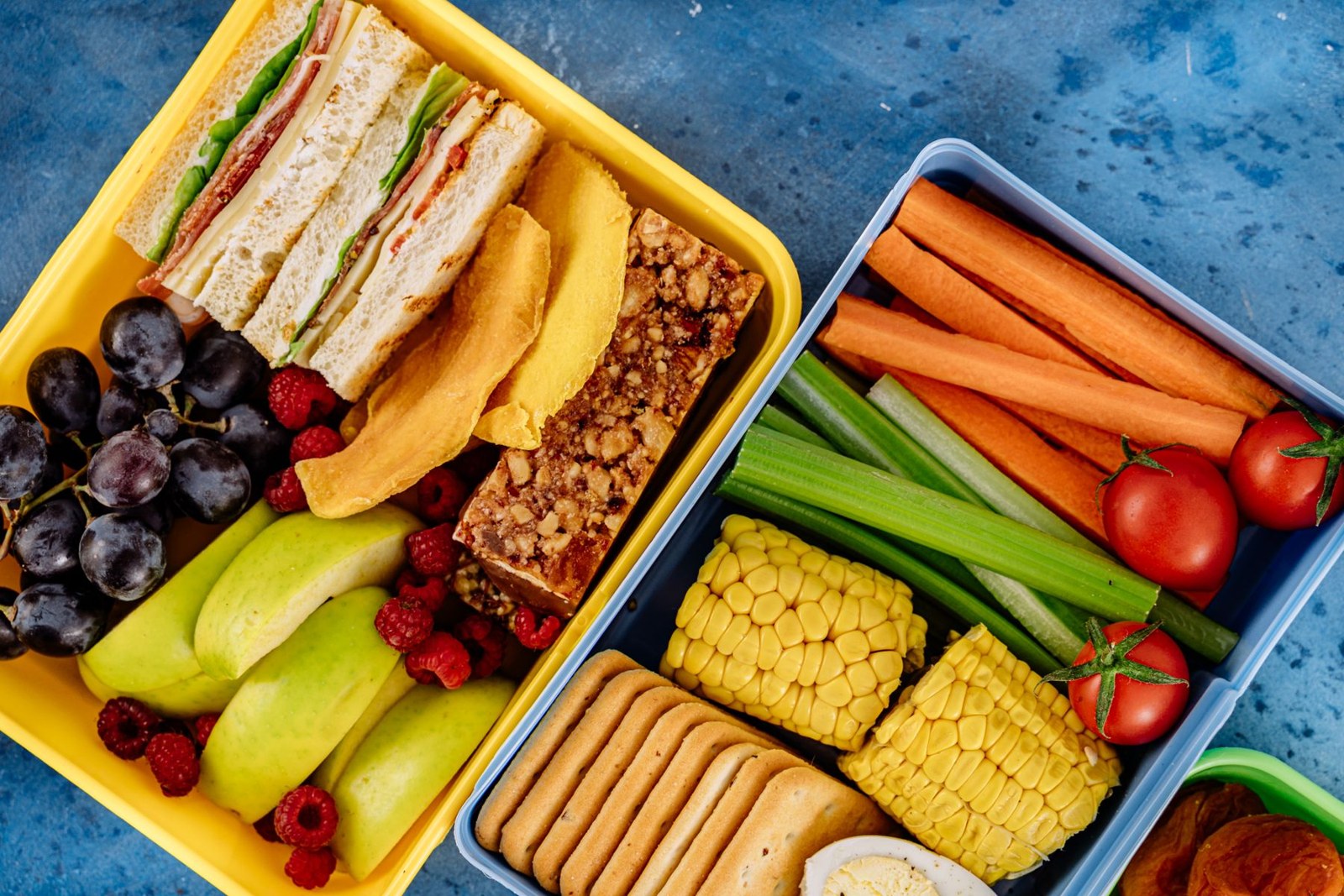
A sandwich, a grain bowl and a portion of soup ask different things of a container. Choosing by the meal makes it easier to avoid boxes that are technically spacious but awkward to fill, carry or eat from.
Put an ordinary serving on a plate or in a bowl before estimating the capacity you need. Then compare that food with the container's internal dimensions. External measurements include walls, clips and lid space, so they are useful for fitting a bag but less useful for judging the portion inside.
A shallow rectangular box suits a sandwich or a layered lunch that you want to keep relatively flat. A deeper bowl may suit rice, beans or a mixed salad, provided you can reach the bottom comfortably with your utensil. Very deep narrow containers can make it difficult to mix a dressing without spilling.
Soup and other liquid foods need a closure specifically intended for that job. Check the manufacturer's transport instructions and keep the container upright unless it is explicitly designed otherwise. Even a good seal should be inspected for trapped food, deformation or damage before packing.
For dry and wet components, separate small pots can be more flexible than fixed compartments. They let you keep crackers away from a moist salad or add sauce just before eating. However, every extra pot creates another lid to wash and remember.
Think about the temperature route as well. Food that will be reheated needs a container approved for the available appliance, with the correct lid or venting method. Food eaten cold still needs safe storage during the journey if it is perishable; choosing a box does not replace an insulated bag and cold sources.
Check whether the filled container fits flat in the bag, whether the bag closes and whether there is room for cold packs when needed. Include cutlery, a napkin and any drink rather than testing the empty box alone.
One medium container and one small sauce pot may cover most of your week. Add a different format only when a recurring meal calls for it. A useful container collection reflects what you actually eat, not every possible lunch pictured on the packaging.