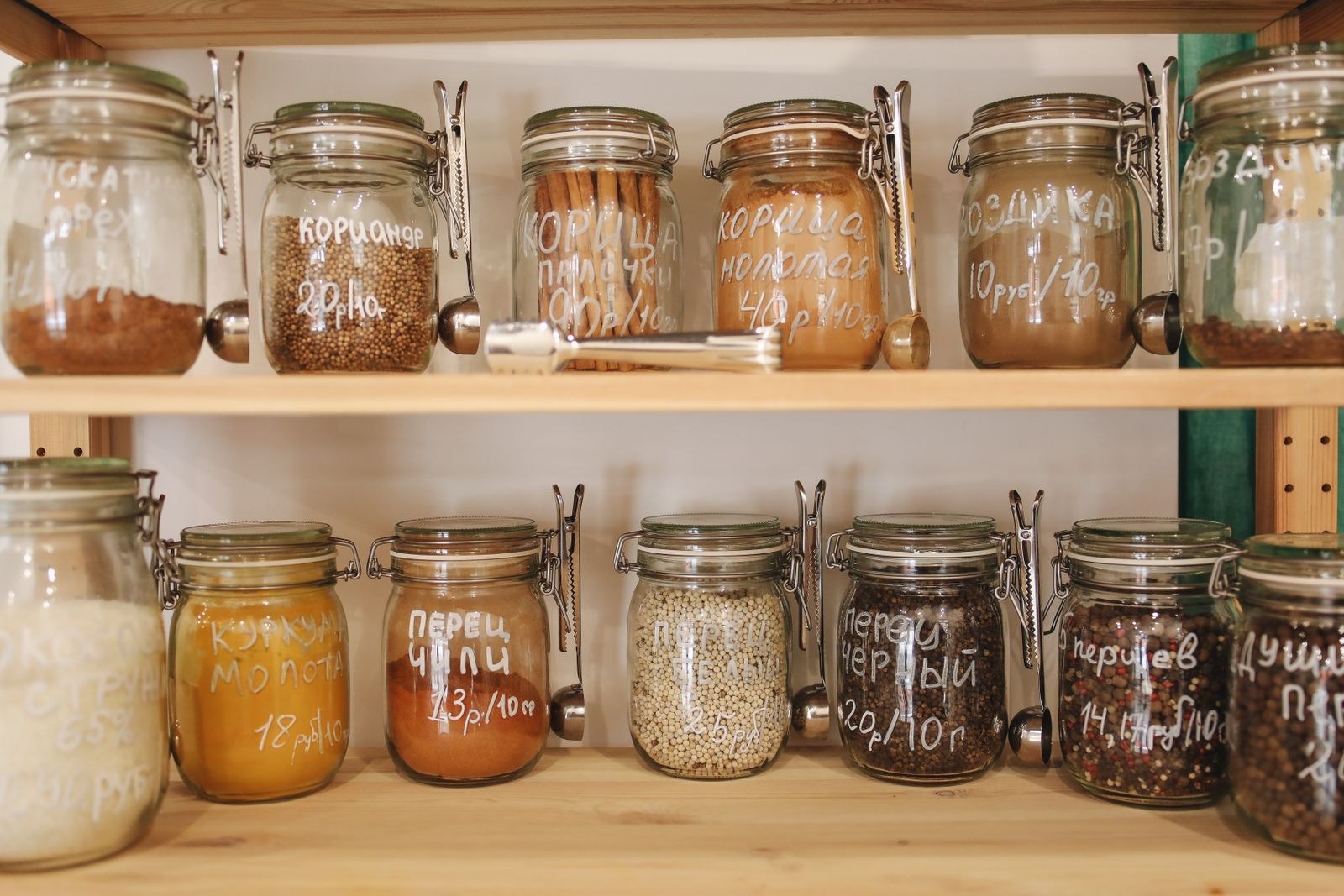
A pantry can be small and still support several meals. The trick is to keep ingredients that combine in ways you enjoy, rather than collecting one special item for every recipe you encounter. Begin with meals you already make and identify the ingredients they share.
For one household, that might mean pasta, rice, canned beans, tomatoes, oil and a few seasonings. Another may use noodles, lentils and a different set of sauces. Treat these as examples, not a compulsory list. Your pantry should reflect your food preferences, equipment and any dietary requirements.
An ingredient earns space when you can name more than one likely use for it. Canned tomatoes might become pasta sauce or soup. Lentils might become a stew or a warm bowl. A seasoning used only in one ambitious recipe may be better bought in a small quantity, if at all.
Keep package instructions and storage information available. Some products need refrigeration after opening, so a pantry purchase may also create a refrigerator commitment. Check that you can use the opened amount within the recommended period before buying a large container.
Use a simple replacement habit: when a regular ingredient runs low, put it on the shopping list. Avoid buying another pack merely because the current one is hidden behind other food. A shallow shelf arrangement or grouped packets can make stock visible without decanting everything.
A pantry is a base, not the whole meal. Combine it with vegetables, suitable proteins and other foods that fit your needs. Keep a few flexible frozen ingredients if freezer space allows, following their storage and cooking directions.
If an ingredient has remained untouched through several shopping cycles, stop replacing it automatically. Either plan a meal you genuinely want to make with it or accept that it does not belong in your regular collection. Do not force yourself to buy more associated ingredients just to justify the first purchase.
A short pantry makes decisions easier because the possibilities are familiar. You can still try new recipes, but add their ingredients deliberately rather than letting every experiment become a permanent shelf occupant.