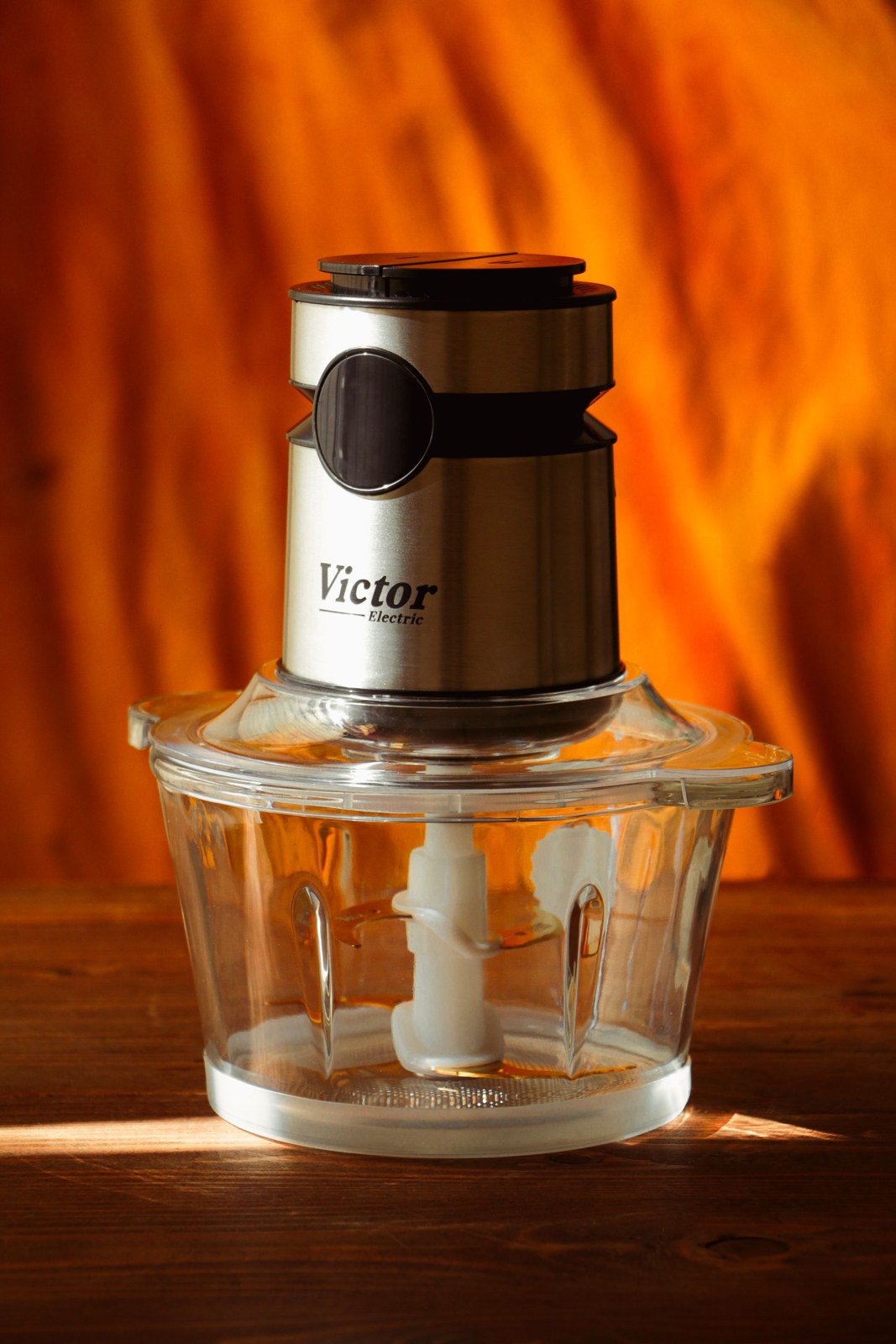
Chopping one onion and preparing a large bowl of vegetables are different reasons to consider a machine. A mini chopper can suit a small quantity, while a food processor may offer a larger bowl and additional slicing or grating attachments. The useful choice begins with batch size and the jobs you actually want to stop doing by hand.
For an occasional small ingredient, a knife may still be simpler once washing is included. For repeated preparation or a task you find difficult, a machine can be worthwhile. Count the complete sequence: assemble, add food, process, remove the food, wash and dry the parts.
Bowl capacity is not working capacity
The full volume of a bowl may differ from the amount permitted for a liquid, a thick mixture or a particular attachment. Check the manual's limits for your intended task. A large bowl may not handle a tiny quantity effectively, while a small one can require several batches.
Look at the opening and the loading procedure. A full-size processor may use a feed tube and pusher for certain jobs. Use the supplied method and keep hands away from blades; do not improvise a substitute pusher or bypass an interlock.
A mini chopper often provides fewer controls, which can make it straightforward for basic work. It may not offer the same texture control or attachments as a larger processor. Avoid assuming it can knead dough, grind hard ingredients or handle hot contents unless those uses are explicitly supported.
Attachments are a storage decision
Slicing discs and other accessories need protected storage as well as cleaning. A set that appears to fit in one bowl may become more awkward once the sharp pieces are arranged safely. Check whether the accessories you want are included, optional or unavailable for that model.
Consider how the bowl locks onto the base and how the blade comes out. Food can collect beneath or around removable parts, so cleaning access matters. Disconnect the appliance before assembly, disassembly or handling sharp components as instructed.
Replacement bowls, lids and blades should match the exact model. A cracked lid may make an otherwise working machine unusable, and a visually similar part is not a reliable substitute.
Choose a mini chopper when smaller preparation jobs are the recurring need. Choose a processor when its additional capacity or functions will be used regularly and you can store them safely. Leave the accessory count out of the comparison until you have named a job for each piece.