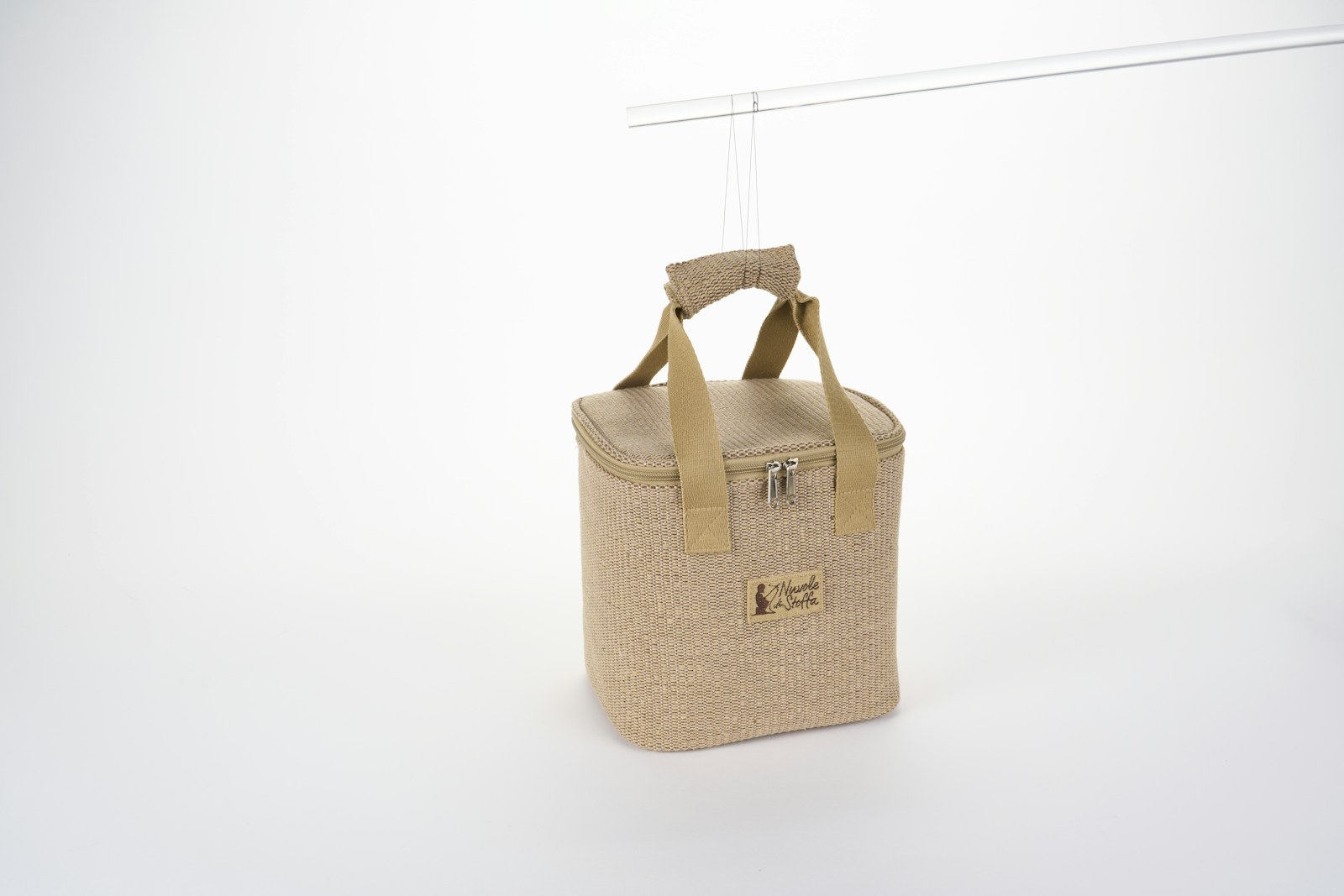
Packing lunch the night before can make a busy morning easier, provided the food stays properly chilled. Keep perishable items in a refrigerator at 40°F or below until you are ready to leave. An insulated bag should begin with cold food, not be asked to cool a warm meal during the trip.
Prepare the cooling arrangement as deliberately as the meal. USDA recommends at least two cold sources for a packed perishable lunch. Frozen gel packs or other suitable cold sources need enough space around the containers to do their job; a bag packed only with food is not the same setup.
Count the whole journey
Your commute may take twenty minutes, but lunch might be several hours later. Include time in a locker, classroom or vehicle when deciding how the food will stay cold. A parked car can become hot, and a bag left in sunlight faces a different situation from one kept in a cool indoor place.
Refrigerate the lunch on arrival whenever that option exists. If you need to leave it in the bag, keep it closed and out of heat. Follow the cold-pack and bag instructions, but do not treat a marketing claim about hours of insulation as proof that your specific food remains at a safe temperature.
A suitable food or appliance thermometer can help check temperatures. Perishable food should not spend more than two hours at room temperature, or more than one hour when the temperature is above 90°F. If you cannot establish that food has been kept safely, smell and appearance cannot reliably settle the question.
When the day changes unexpectedly
Plan what you will do if lunch is delayed. If refrigeration is available, put the food there rather than leaving the bag beside your desk until you are hungry. If the cold sources have warmed and you cannot establish a safe temperature history, do not reset the clock by putting the meal in a refrigerator later.
A shelf-stable backup can be useful on days when travel or class timing is unpredictable. Choose it from products whose instructions allow that storage, and keep any opened leftovers under the conditions the label requires. This is a separate plan from carrying a perishable lunch and hoping the delay stays short.
Clean and refreeze reusable cold sources according to their instructions after returning home. Check for leaks or damage before the next use. Having the cooling equipment ready the night before makes the safe plan easier to follow during a rushed morning.
Choose a workable alternative
On a day with no reliable cold storage, consider a lunch made from foods that do not require refrigeration until opened, checking each package. Pack whole fruit, suitable shelf-stable items and unopened portions as appropriate rather than assuming every sandwich filling can sit out all day.
Keep the preparation area and containers clean, and return unused perishable ingredients to the refrigerator promptly. After eating, do not automatically carry partly eaten food around for the rest of the day and save it for dinner.
The aim is a routine you can repeat: chill, pack with cold sources, refrigerate when possible and eat within a safe storage plan. A more expensive lunch bag cannot replace those steps.