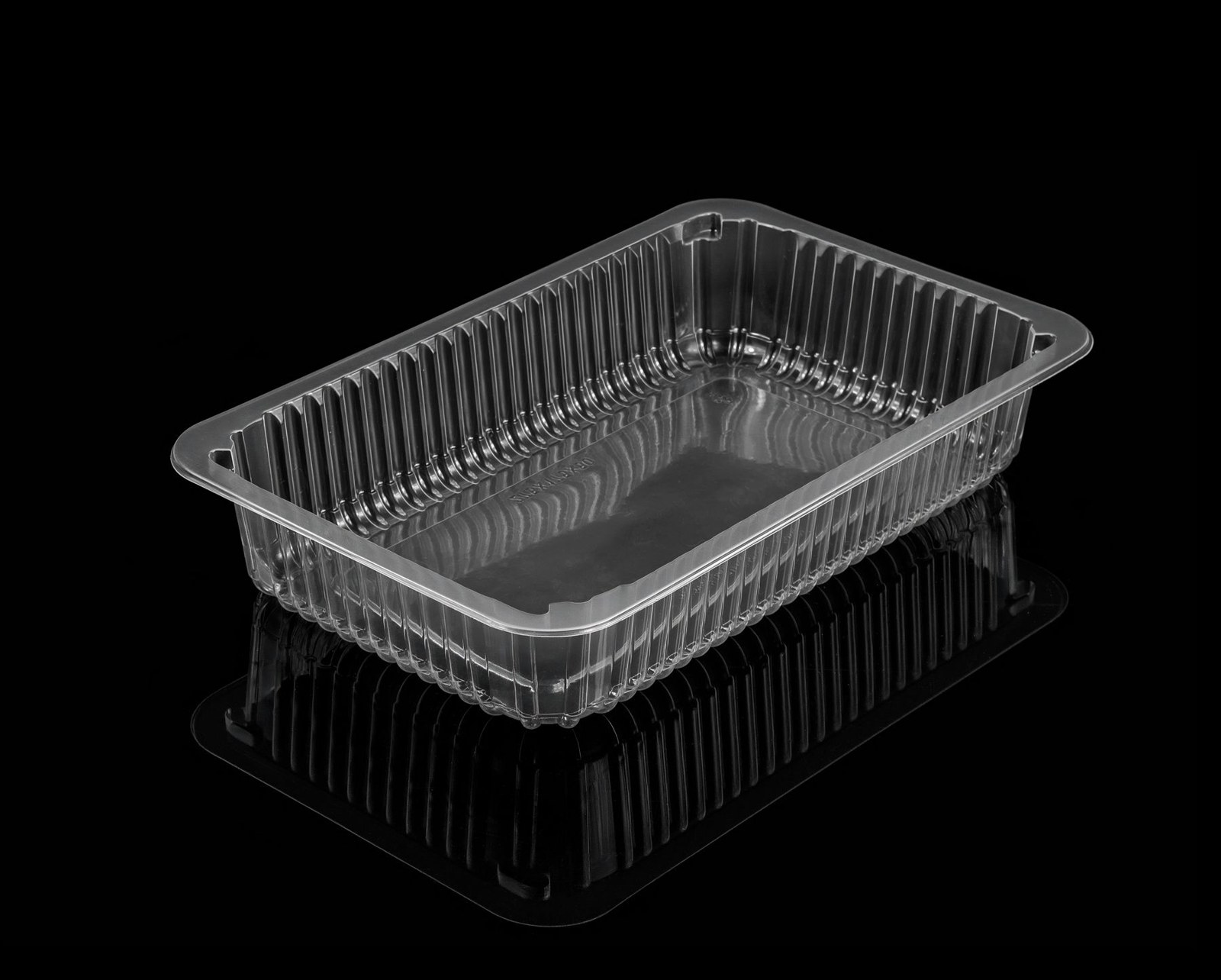
A container sold for food storage is not automatically suitable for microwave heating. The material name alone is not enough, either. Look for the manufacturer's microwave-use instructions for the actual product, including its lid, seal and any removable components.
Symbols can be helpful, but their appearance and meaning can vary. If a marking is unclear, use the maker's written guidance instead of guessing from a small icon. A recycling number identifies a material category; it is not a complete set of heating instructions.
Read the conditions attached to the claim
A container may be permitted for reheating with a lid loosened or removed, while another design has a specific venting method. Follow that procedure. Do not heat a tightly sealed container unless the product and appliance explicitly provide an appropriate method for doing so.
Check whether the permission covers the food and heating method you intend to use. A product suitable for warming a meal is not necessarily intended for prolonged cooking, very hot sugar mixtures or every high-fat food. Avoid transferring assumptions from a similar-looking box.
Glass needs the same attention. Microwave-safe, oven-safe and freezer-safe are separate claims, and thermal-shock restrictions can affect moving between temperatures. The lid may have different limits from the base. If the container is chipped, cracked or otherwise damaged, follow the manufacturer's advice rather than continuing because the label once said safe.
Handle the meal as well as the container
Even when a container is permitted, the food can heat unevenly. Stir or rotate as appropriate, allow the standing time in the instructions and check reheated leftovers reach the recommended temperature throughout. A cool-looking handle does not establish that every part of the dish is comfortable to touch.
Remove covers carefully so steam moves away from you. Use suitable protection for hot containers and place them on a surface that can tolerate the heat. Keep the route from microwave to counter clear before lifting.
If the product's identity or instructions are missing, transfer the food to a known suitable dish. Reusing an unfamiliar takeout tub is not worth turning a routine lunch into an experiment about what the plastic can tolerate.