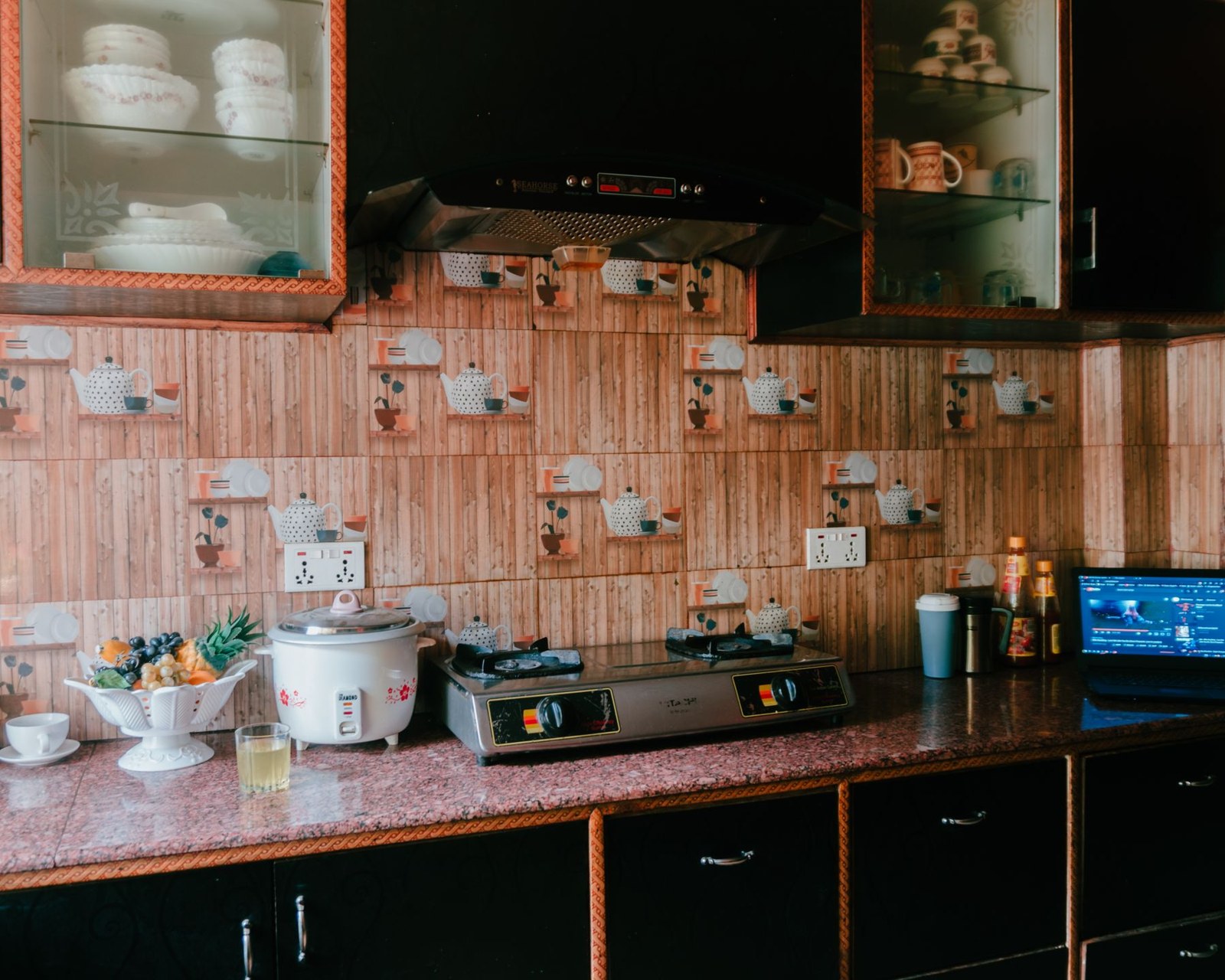
The numbers inside a rice-cooker pot can look like a measuring jug, but that is often not what they represent. They may indicate the water level to use after adding a specified number of supplied cups of rice for a particular menu. Read the manual before interpreting the markings on their own.
The supplied cup may differ from a US measuring cup. Some cookers use a measure of about 180 milliliters. If you substitute another cup without understanding the difference, the relationship between rice and water can change even though you fill to a familiar-looking number.
Follow one complete set of instructions
Choose the rice type and menu first. Then use the measuring, rinsing and water-filling procedure described for that combination. Do not take the cup size from one source, the water line from another setting and the cooking mode from an unrelated recipe.
A pot may have several scales printed beside one another. Look carefully at the labels so you do not accidentally use a porridge or different-rice scale. If the lettering is hard to read, consult the manual's illustration rather than guessing which column is intended.
Set the pot on a level surface when checking the water level as directed. A tilted pot can make the liquid appear to reach a line on one side while giving a misleading view of the overall amount. Keep the outside of the pot in the condition the appliance requires before putting it into the cooker.
Respect the small-batch limit as well
The lowest printed number is not always the complete minimum-batch guidance. Check the manual for the mode and ingredient, and stay within its limits. Likewise, the top of the pot is not the maximum safe cooking level.
If the measuring cup is lost, look for the specified replacement or confirm its volume from the manufacturer. Marking an appropriate substitute clearly can prevent roommates from mixing it with ordinary baking cups, but only after you have established the correct measure.
Keep notes on a successful combination if you cook the same rice regularly, including the product and setting. That record should help you repeat the method, not replace the manual when you change ingredients or appliances. Clear measuring habits are more reliable than trying to correct a confusing batch halfway through cooking.