Two blenders with the same wattage can offer different jars, controls and supported tasks. The number is useful electrical information, but it is not a complete performance score. It does not tell you whether a small portion will circulate properly, whether a thick mixture is permitted or how easy the blade assembly is to clean.
Begin with the result you want. A drink with plenty of liquid, a thick dip and a small quantity of chopped ingredients create different demands. A manufacturer may support some of those jobs and exclude others even when a competing product advertises the same power figure.
The container is part of the system
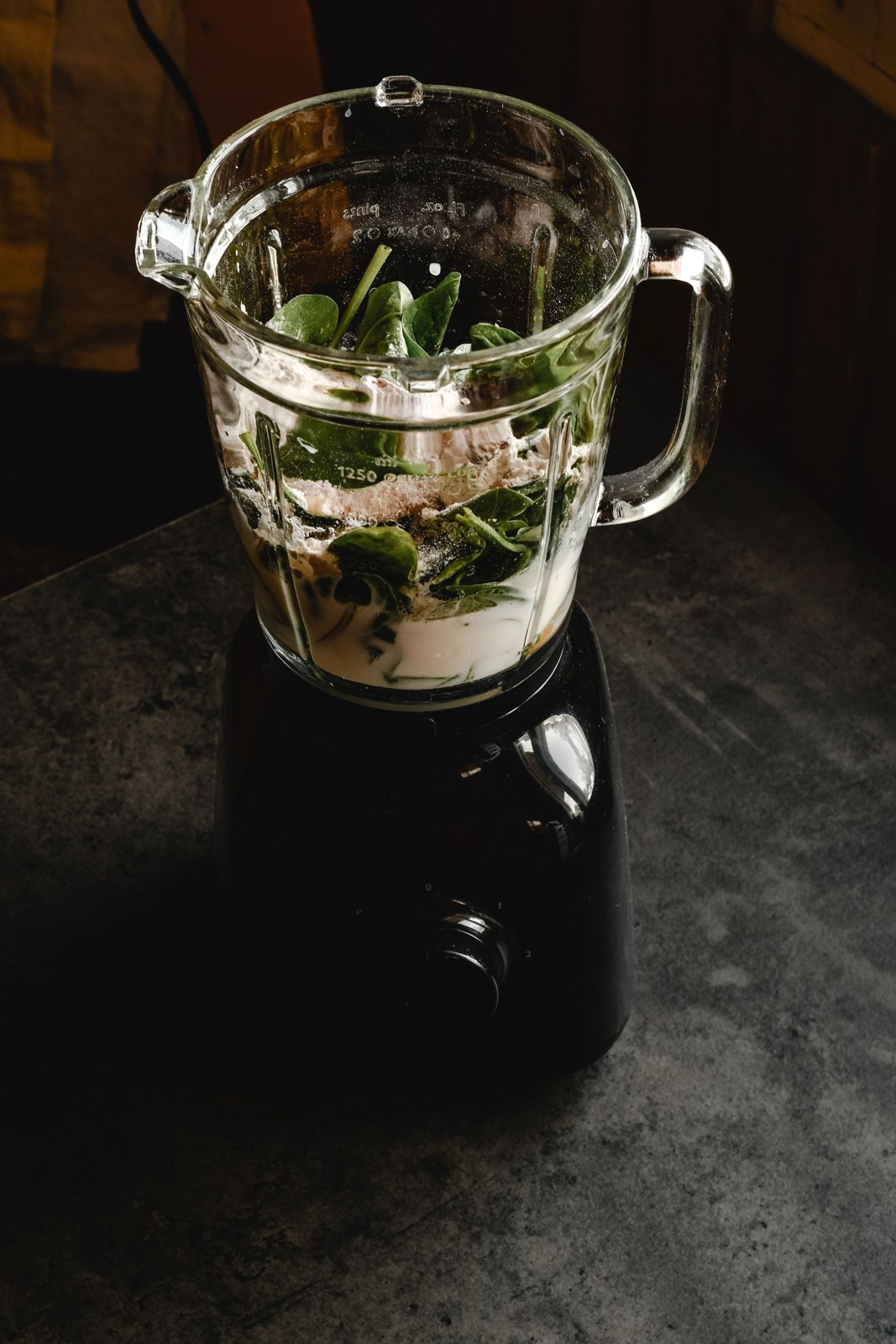
Jar width and shape influence how ingredients move around the blades. A large container may be convenient for several servings yet unsuitable for a tiny amount. Check the minimum useful quantity and the marked maximum rather than assuming you can scale every recipe to any volume.
Blade design also matters, but more blades do not automatically mean better results. The complete system includes the jar, motor, coupling and intended operating method. A photograph of a sharp-looking assembly cannot establish how smoothly it will process your particular ingredients.
If the product includes several containers, read the permissions for each one. A main jar and a sealed personal cup may have different temperature, ingredient and fill restrictions. An accessory that attaches to the same base is not necessarily interchangeable in use.
Find the duty limits
The manual may specify a maximum continuous run or a pause between cycles. Those limits matter if you plan to make several portions or work through a dense mixture. A powerful rating does not authorize running the appliance indefinitely or repeatedly forcing it through a task it cannot manage.
Hot liquids need explicit permission. Sealed cups may prohibit them because pressure can build; other systems have particular cooling and venting instructions. Do not infer hot-soup suitability from motor strength or the material of the jar.
Noise is another separate characteristic. Wattage alone does not provide a reliable comparison of how a machine sounds in a shared apartment. If noise matters, look for relevant manufacturer information or credible measurements for the exact model, while recognizing that room conditions affect what you hear.
Compare like with like
Make a short checklist: intended recipe, normal quantity, permitted ingredients, controls, cleaning access and replacement parts. Then use power information alongside those details. A hypothetical high-powered blender with an unsuitable jar is still an unsuitable choice for your routine.
Keep the manual and model number after purchase. They will be more useful when replacing a seal or resolving an operating question than the large wattage number you remember from the listing.