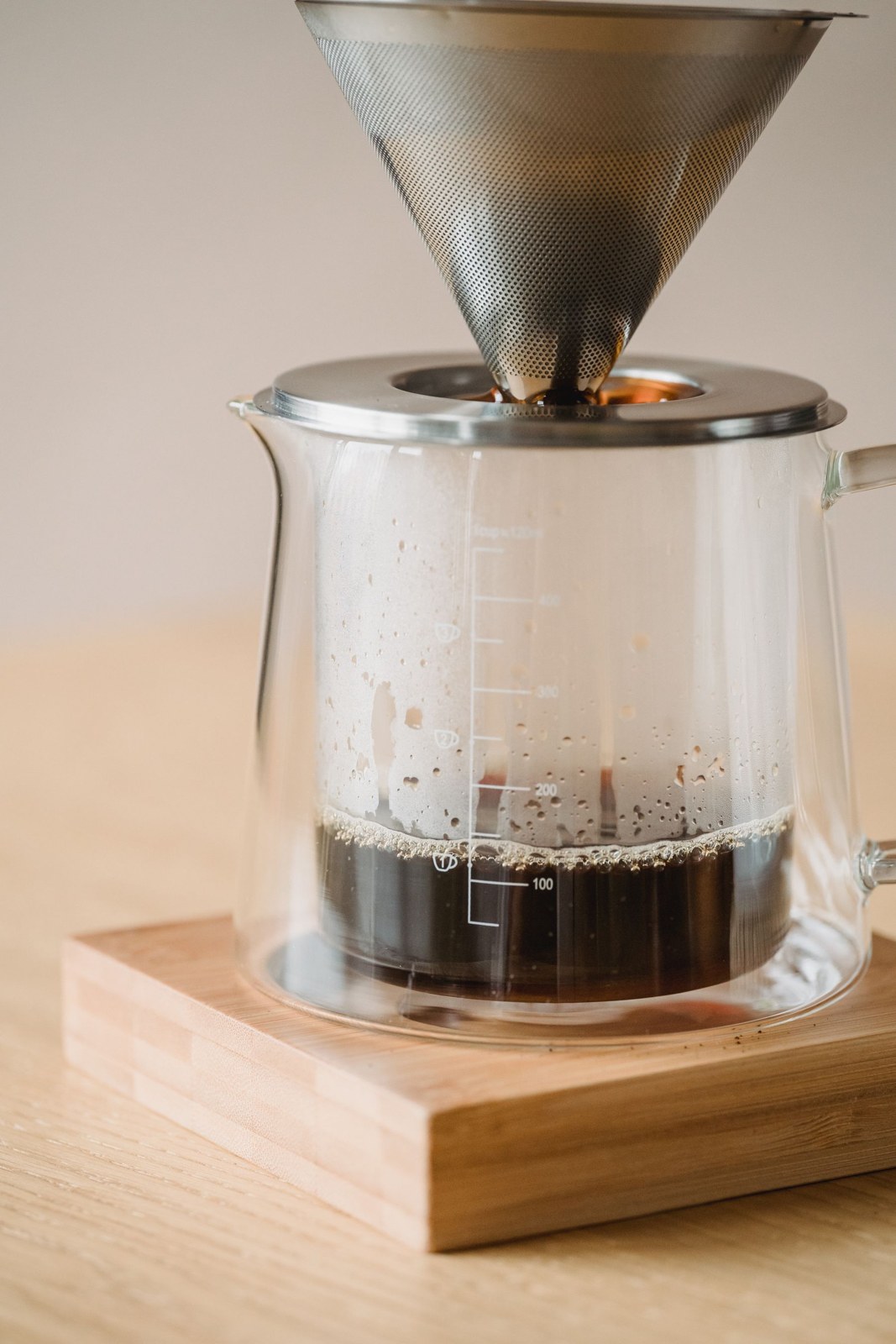
A reusable coffee filter can reduce the need to keep buying paper filters, but it should first be compatible with the brewer. Cone shapes, flat bottoms and basket dimensions are not universal. A filter that seems close may sit incorrectly or interfere with the way water moves through the coffee.
Check the brewer's official filter specifications and whether a reusable option is permitted. Some systems depend on a particular paper shape or thickness. Do not force an aftermarket filter into a holder because the package mentions a similar capacity.
Expect a different cup, not an identical replacement
A reusable mesh and paper can retain different amounts of fine material and oils. The resulting texture may therefore differ even with the same coffee. That is a preference to explore rather than proof that one method is inherently better.
Grind and dose should suit the brewing system. Very fine particles can affect flow and cleanup, while an unsuitable grind may produce an unsatisfying result. Follow the brewer's instructions and adjust one variable at a time so you can understand what changed.
Capacity markings on a coffee maker do not necessarily describe the size of your mug. Compare the actual amount of water and coffee you use rather than judging a filter only by a cup count. Keep within the system's maximum fill and other limits.
Make room for the daily rinse
Reusable does not mean maintenance-free. Remove grounds appropriately, clean the mesh as directed and inspect the seams or frame for trapped residue. Allow the filter to dry before storing it in a closed container.
A filter with a handle may be easier to lift, but check whether it gets hot and how it fits beneath the brewer's lid. A rigid frame can help support the mesh while adding more surfaces to clean. Replacement availability matters if the frame or mesh is damaged.
If you make coffee infrequently, the convenience of your existing paper routine may be enough. If you brew regularly and are willing to clean the filter each time, a compatible reusable model can be a sensible choice. The saving in supplies should be weighed alongside the maintenance you are adding.