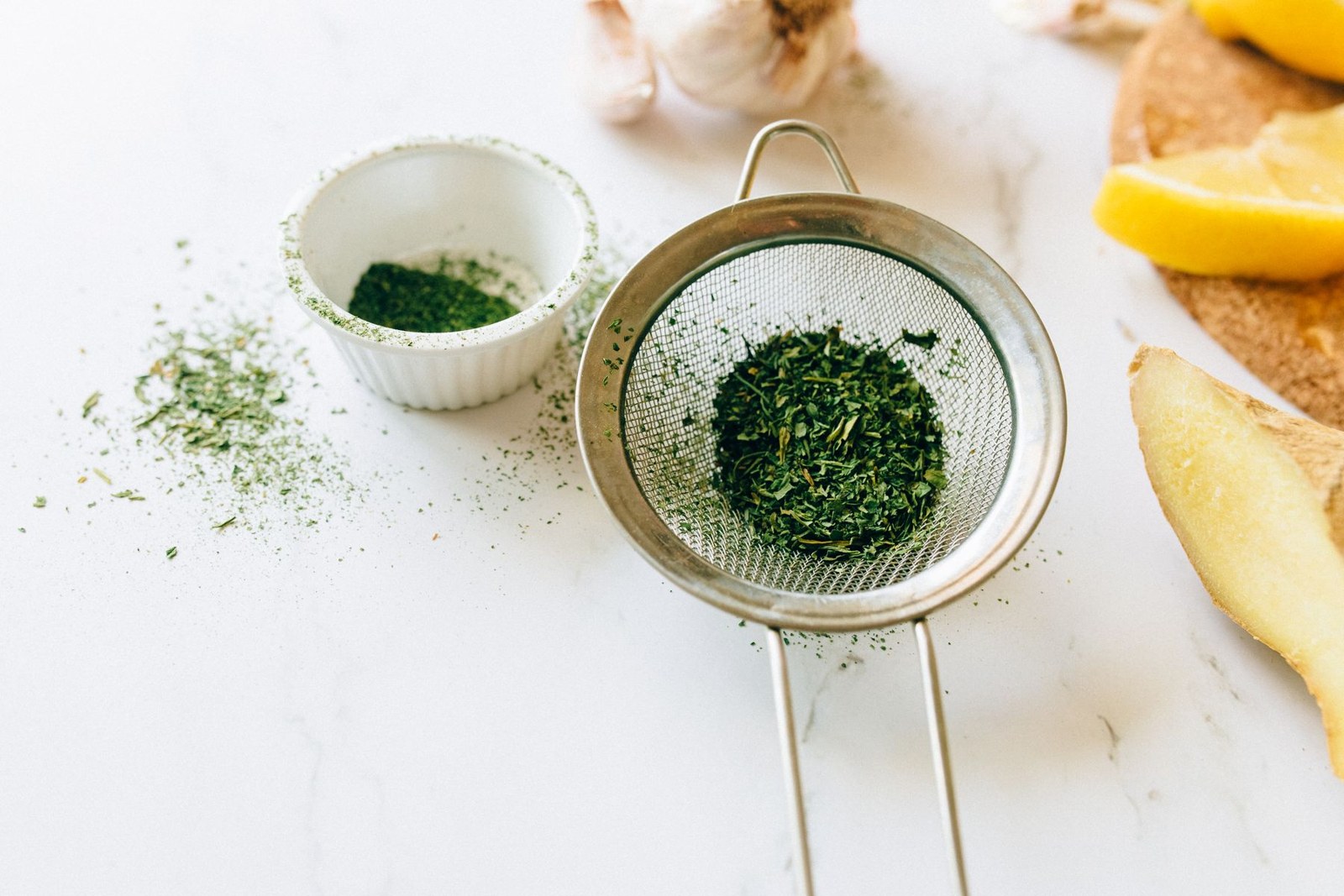
A fine-mesh strainer and a colander may share the job of draining, but they are not interchangeable for every ingredient. Tiny pieces can fall through a colander's larger holes. A finer mesh can hold them back, though it may drain more slowly and require closer attention during cleaning.
Think about the scale of your task. Rinsing a small quantity of grains, straining a sauce and draining a full pot of pasta call for different capacities. One modest strainer can cover several small jobs without becoming an awkward substitute for a larger draining tool.
Check support before filling it
A long handle and a resting hook can help a strainer sit over a bowl, but only if the dimensions match. Test the fit while everything is empty. The rim should rest securely without the handle pulling the strainer off balance.
Leave space between the mesh and the liquid collecting below. If the bottom is submerged, draining may not work the way you expect. Choose a receiving bowl large enough for the liquid and stable enough for the arrangement.
Inspect how the mesh attaches to the rim. Loose wires, sharp ends or damaged sections are reasons not to use the tool. A double layer can be finer, but it can also create more places for food to lodge. Consider whether you can see and clean those areas.
Use the right pressure for the job
Straining is not always the same as forcing food through the mesh. Pressing aggressively can change the texture of a sauce and may damage a delicate tool. Follow the method appropriate to the food, and do not turn a small strainer into a makeshift press for dense ingredients.
Wash it promptly so residues do not dry into the mesh. Use the manufacturer's recommended cleaning approach and check both sides before putting it away. Let it dry rather than stacking a wet strainer inside a closed container.
If you rarely need a fine texture or handle small grains, this may be a later purchase rather than part of the first shopping trip. If you repeatedly improvise with unsuitable tools, a correctly sized strainer can remove that frustration without taking much drawer space.